

Causes and Effects of Mouth Breathing

Causes of mouth breathing
Several reasons can lead to mouth breathing, such as seasonal allergies (like cedar fever), constant nasal congestion, large tonsils, and sleep apnea. The environmental factors and allergens in Massachusetts may worsen these symptoms for some people.
Mouth breathing affects overall health
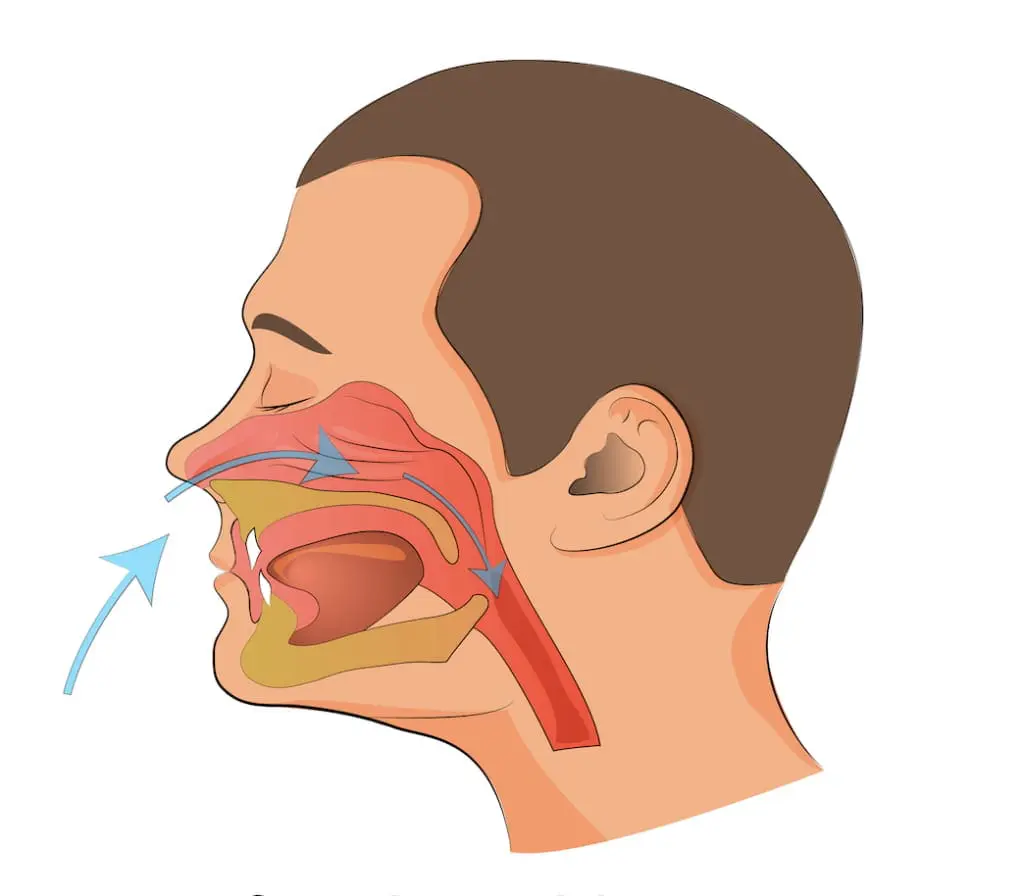
Our respiratory health can be greatly impacted by mouth breathing. Without the natural filtration provided by the nose, individuals may become more prone to respiratory infections, experience reduced oxygen intake, and face decreased overall breathing efficiency.

Relationship between mouth breathing and dry mouth
A warm climate can worsen the effects of mouth breathing on oral moisture, often leading to xerostomia (dry mouth). At Sweet Smiles Orthodontics, we commonly see patients facing this issue, which, if untreated, can result in several oral health problems, including tooth decay and gum disease.

Connection between mouth breathing and sleep apnea
Mouth breathing and sleep apnea frequently go hand in hand, forming a cycle that disrupts sleep quality and impacts daily life. By addressing mouth breathing, many people experience significant improvements in their sleep, emphasizing the importance of identifying and treating both conditions to enhance overall health and well-being.
Effects of mouth breathing on brain function and cognitive abilities (brain fog)
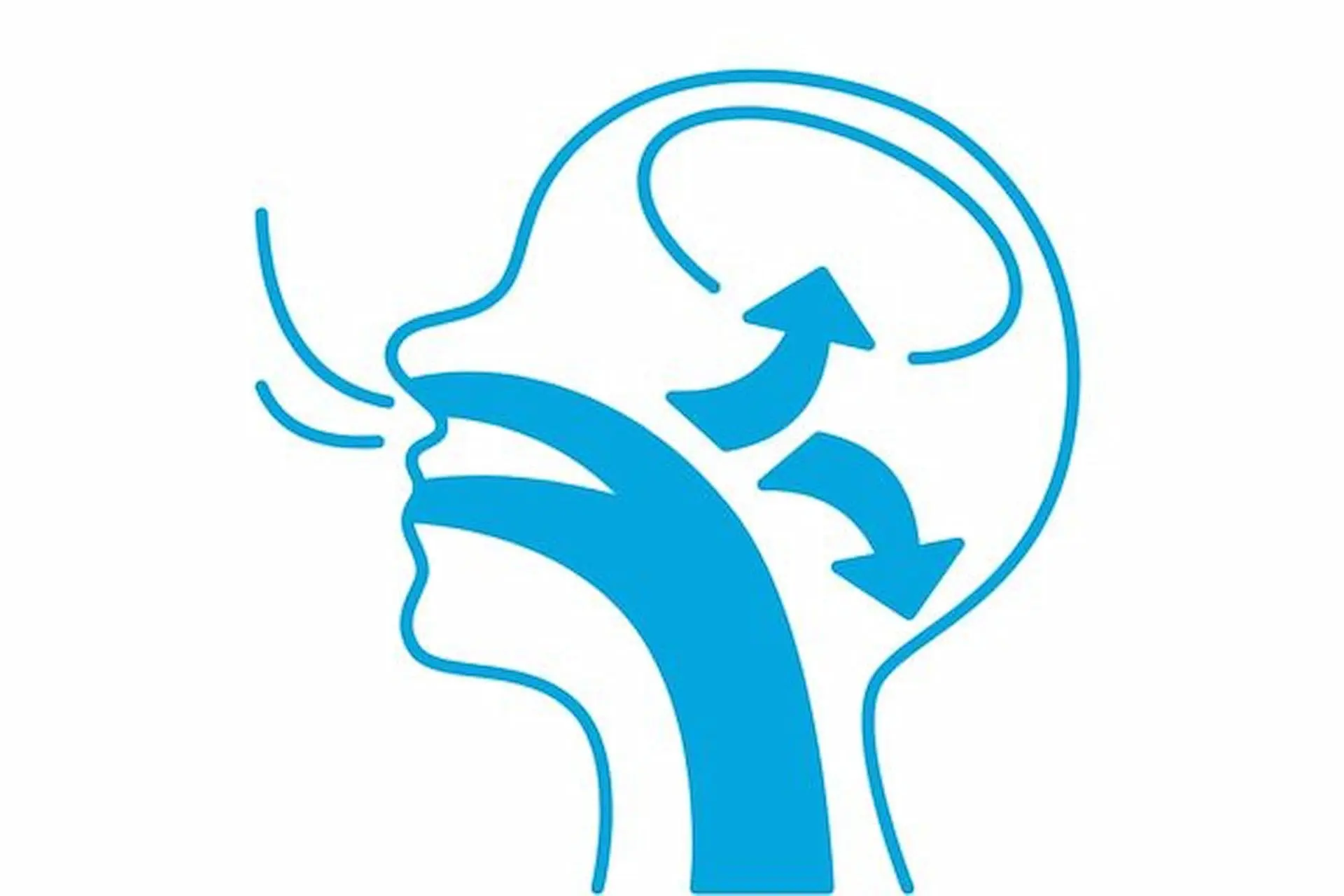
Mouth breathing may contribute to symptoms like brain fog, decreased focus, and mental fatigue. These cognitive issues can interfere with daily life and productivity, making treatment essential for boosting attention, energy, and overall mental health.

Impact of mouth breathing on oral health and bad breath
At our practice, patients struggling with mouth breathing often experience dental concerns like cavities, gum issues, and halitosis (bad breath). Low saliva flow encourages the growth of harmful bacteria, contributing to tooth and gum problems if not treated properly.
Health Risks Associated with Mouth Breathing
Mouth breathing, for both adults and children, raises the likelihood of developing respiratory infections like sinus infections, colds, and the flu. This happens because mouth breathing bypasses the filtering functions of the nasal passages, allowing harmful germs to enter the lungs more easily. Over time, habitual mouth breathing can also worsen nasal congestion, causing a cycle that further hampers the ability to breathe through the nose.
The connection between mouth breathing and lung health is a concerning one, as it can increase the chances of long-term respiratory issues. For children, the effects of mouth breathing are especially troubling. Persistent mouth breathing during childhood may result in improper facial and dental development, disrupted sleep patterns, and behavioral challenges. Addressing this condition early is critical to supporting healthy growth and overall well-being.
Diagnosis and Treatment
At Sweet Smiles Orthodontics Arlington – Braces & Invisalign, Dr. Yajun Cui uses advanced diagnostic tools to detect mouth breathing patterns and identify the underlying causes. Personalized treatment plans are created to address these issues, often involving orthodontic appliances, special breathing exercises, and collaboration with other healthcare specialists if needed.
Prevention and Management
Breathing exercises and techniques aimed at improving nasal breathing in children can be effectively supported through a combination of preventive and management strategies. To start, simple lifestyle changes such as maintaining a nutritious diet, staying properly hydrated, and participating in regular physical activities can play a key role in reducing nasal congestion and promoting healthier nasal breathing habits.
These may include diaphragmatic breathing, which encourages deep, effective breaths utilizing the diaphragm rather than relying on shallow chest breathing, as well as simple exercises aimed at clearing nasal passages. Teaching children the significance of nasal breathing for their overall well-being and fostering awareness of healthy breathing practices can also be highly advantageous. When lifestyle adjustments are paired with focused breathing exercises, this holistic approach can effectively support and maintain healthy nasal breathing habits in children.

Improving Your Breathing and Health with Airway Orthodontics
We use cutting-edge 3D imaging technology at our Arlington, facility to evaluate airway structures and create customized treatment plans. This innovative method enables us to tackle both breathing challenges and orthodontic needs at the same time, ensuring the best possible outcomes for our patients.