



What Causes Tongue Thrust
Tongue thrust can result from both inherited traits and environmental factors.
Early childhood habits play an essential role in its development. Common contributing factors include:

Types of Tongue Thrust
Different variations of tongue thrust can affect oral health and dental alignment in unique ways. The most common type involves the tongue pressing forward, leading to gaps between teeth and causing improper bite alignment. In some cases, the tongue presses against the sides, increasing the risk of crossbites and uneven wear on teeth. Each type requires specific attention and treatment approaches for optimal correction.
Symptoms and Diagnosis
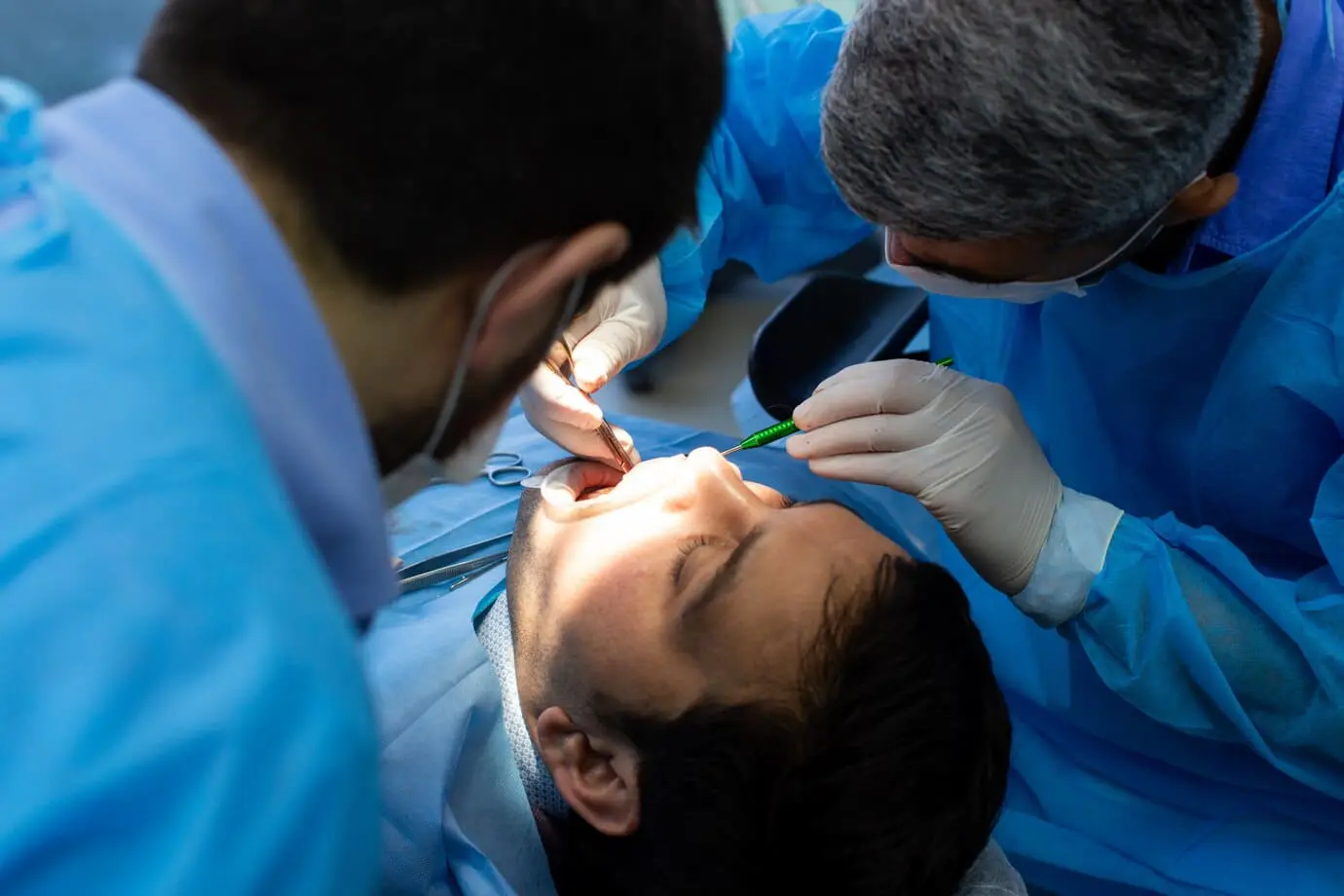
A professional evaluation is key to properly diagnosing tongue thrust. Common signs include visible gaps in teeth, improper bite patterns, and unusual swallowing actions. During an exam, an orthodontic expert evaluates tongue position while at rest, as well as during speech and swallowing, to identify the condition and how severe it is.

Tongue Thrust in Children
Early intervention is crucial for children showing signs of tongue thrust. Professional evaluation by around age 7 can address the issue sooner, helping avoid more serious developmental concerns later. When left untreated, tongue thrust can significantly impact dental development and may require more extensive treatment as the child grows older.
Treatment Options for Tongue Thrust
Treatment plans emphasize reshaping tongue movement and function through specially designed therapy programs. Targeted treatments can involve behavior modification and customized routines to tackle individual challenges. The key to successful outcomes lies in early diagnosis and consistent dedication to exercises and care plans provided by professionals like Dr. Yajun Cui at Sweet Smiles Orthodontics in Arlington, MA.

Myofunctional Therapy for Tongue Thrust